

read more
Demystifying CLAD: A focus on Improving long-term lung health post-transplant
Join Anil J. Trindade, MD, Associate Medical Director for Lung Transplantation and the Medical Director for Laryngeal Transplantation at Vanderbilt …

At the Lung Transplant Foundation, we know the devastating toll Bronchiolitis Obliterans Syndrome (BOS) can take. While varying disease states lead to lung transplant, recipients share many post-transplant realities. Roughly 55% will develop BOS—a form of chronic rejection—within five years. Though no approved treatments currently exist, advances in research bring hope. Together, we can expand BOS education, advance research for new therapeutics, and deepen understanding of its cause.

Opening Session:
“What is BOS?” - 11:30am-12:30pm
Dr. Joseph Pilewski, University of Pittsburgh Medical Center
This introductory session will provide a foundation for understanding how BOS impacts transplanted lungs, the process for receiving a diagnosis, how the disease often progresses, and what medications are available for symptom management.
“Innovations in BOS Research” - 1:00pm-2:10pm
Dr. Scott Palmer, Duke
This scientific session will cover three different cutting edge research studies that are currently enrolling participants in their clinical trials.
“Virtual Chair Yoga” - 1:00-2:00pm
Instructor: Debbie Selman
Lung Transplant Caregiver and Yoga instructor Debbie Selman will guide us through seated yoga poses for restoration and wellbeing.
“Mocktails and Speedfriending” - 2:15-3:15pm
A loosely facilitated space to make personal connections and have more in-depth conversations with others including caregivers, individuals who are pre and post transplant, and people who are or are not living with BOS.
“Managing Breathlessness, Living Your Best Life” - 2:15-3:15pm
Dr. Anna Gersten, Johns Hopkins Breathlessness Clinic
This session will review concrete tips and strategies you can utilize in your daily life to manage the uncomfortable and sometimes frightening sensation of breathlessness.
Q+A Roundtable and Future Direction: 3:30-4:30pm
Attend this moderated Q+A session for one more opportunity to connect with leading experts in lung transplantation and BOS and ask your questions directly. The session will conclude with our gift giveaway!
Enter this room at any point during the event to add a note about what you are thinking, feeling, or experiencing during your lung transplant journey, and what you may be gaining from today’s sessions. Everyone who submits a comment will be entered into our gift giveaway.
Enter this sacred space to honor and observe the individuals in our community we have lost to BOS. Use their memory as motivation to fight for a cure.
Take a look at this message from our late founder and President, Jeff Goldstein. We are grateful he had the vision to address lung transplant rejection and unite the community to develop new treatments.
BOS is a lung problem that can occur after lung transplantation and is the most common form of chronic lung transplant rejection. More than half of lung transplant recipients develop BOS within five years of transplantation. When BOS develops, a person will have a progressive loss of lung function when compared to the highest function after transplantation.
Although the initial symptoms of BOS may sometimes mimic symptoms of a lung infection, BOS is not due to infection. The main change seen with BOS is scarring of the small airways of the transplanted lung(s). This scarring leads to the narrowing of the airways, limiting airflow with loss of lung function. Early after the onset of BOS, a person may not have any symptoms, but the recipient will develop breathlessness and chronic cough as BOS gets worse. There are different stages of BOS based on lung function results. Some people develop an early stage of BOS and progress to more severe stages over a short time period, while others may remain stable in a stage for an extended period of time. There is no clear way to predict the course of BOS over time for a given person.
On June 22, 2022, the Lung Transplant Foundation hosted a Patient-Focused Drug Development meeting with the FDA. During the meeting, caregivers and people living with BOS shared their personal stories to unite the community and create hope.

It is not clear why some transplant recipients (those who receive a lung transplant) develop BOS sooner than others. Some of the factors that are thought to play a role are environmental irritants such as infection, air pollution, or tobacco smoke, stresses related to the transplant operation itself, and the recipient’s immune response to the transplanted lung(s). Some known risk factors for the development of BOS include:
Primary graft dysfunction—This is when the transplanted lung is injured during the process of retrieval from the donor and/or implantation into the recipient and does not function properly early after surgery. The injured lung(s) immediately after transplant generally need more support for a longer period of time than usual.
Lung rejection—Rejection can be caused by the immune cells in the recipient’s body or by antibodies that the body makes against the transplanted lung(s). Either form of rejection of the transplanted lung(s) leads to a higher risk of BOS. ( For more information on lung transplant rejection, see the ATS Patient Information Series “Rejection after lung transplantation“.)
Gastroesophageal reflux disease (GERD) –This is when fluid from the stomach (either acidic or non-acidic) comes back to the throat and gets into the lung. This is a common problem in people who have lung transplant and needs to be treated to reduce lung injury.
Certain infections increase the risk of BOS. These include:
pseudomonas aeruginosa, a bacteria
cytomegalovirus (CMV), a virus
aspergillus, a fungus
a number of common respiratory viruses, including respiratory syncytial virus (RSV), parainfluenza, and influenza
Early after the onset of BOS, a person may have no symptoms as he or she still has very good lung function. This is why it is so important to keep close follow-ups with the transplant team and get frequent lung function monitoring after the transplant. Transplant recipients become symptomatic from BOS because of decreased lung function. Common symptoms include:
shortness of breath
decreased exercise or activity tolerance and endurance
fatigue
cough, sometimes with increased mucus production
BOS is not an infection itself, but sometimes patients can have BOS and a respiratory infection at the same time. In that case, a person may also have fevers or chills. It is always important to look for other problems that can be treated.
In the period immediately after transplant, recipients undergo regular checkups to make sure that lung function is stable and there is no infection.
Lung function—One of the key lung function tests used in diagnosing BOS is the forced expiratory volume in 1 second (FEV1), which measures the amount of air you can blow out in the first second of a forced exhalation. The FEF25-75% is another measure of lung function test (called “spirometry”). Over the first several months after transplant, spirometry is measured at regular intervals to establish the baseline value for the new lung(s). After this time (usually about three months), any sustained drops in FEV1 raise the concern for BOS. When a drop in the FEV1 persists, several other tests will be done before the transplant physician will formally diagnose BOS.
Imaging—A chest x-ray or a CT is performed to rule out infection. Occasionally, certain patterns such as air-trapping or a new infiltrate (spot) may raise concern for rejection.
Bronchoscopy—Your transplant provider may decide to do this procedure to take samples from the lung. This procedure will include taking samples from the lung including fluid (bronchoalveolar lavage or BAL) and a tissue biopsy. The BAL involves squirting sterile fluid into the lung through the scope and suctioning it back out to send for tests. These tests mainly look for infection. The airway biopsies use a special forceps through the scope to get small pieces of airway tissue. These are looked at by a pathologist for any signs of rejection. It should be noted that biopsies obtained with bronchoscopy are not sensitive enough to always identify changes of BOS. The final decision about a diagnosis of BOS is based on the transplant physician’s judgment and the results of testing to exclude other potential causes of the decline in FEV1.
If there is no infection or acute rejection, the diagnosis is likely BOS and the severity of BOS is determined by comparing the FEV1 to the person’s usual (called baseline) FEV1.
The most important method for preventing the development or progression of BOS is to try to reduce risk factors as much as possible. It is also very important to act quickly when lung function starts to drop. Important steps include:
Promptly treating any bacterial, viral, or fungal infections that may arise, including those that stem from dental problems. For more information on doing lung function testing, see the ATS Patient Information Series “Lung Function Testing”.
Promptly treating any acute rejection episode with a short-term treatment, usually high doses of corticosteroids and other medications, as decided by your transplant team.
If there is a concern for GERD that does not respond to medications, your health care provider may order specific tests for GERD and/or recommend an anti-reflux surgery to help prevent any further lung injury.
Some people may be prescribed long-term azithromycin, an antibiotic that may reduce inflammation, which may help slow or reverse the decline in lung function. All transplant patients receive immunosuppression therapy (the medications that help keep the recipient’s immune system from attacking the transplanted lung(s)). If a patient develops BOS on one immunosuppression medicine, sometimes switching or adding other immunosuppressive therapies may help prevent further loss of lung function. There are new treatments for BOS and research continues on how to prevent and treat BOS. Sometimes, despite doing all of the above, BOS continues to progress and lung function continues to decline. If BOS becomes severe enough and does not respond to any other therapies, the patient may have to be evaluated for a second lung transplant.
Join Anil J. Trindade, MD, Associate Medical Director for Lung Transplantation and the Medical Director for Laryngeal Transplantation at Vanderbilt …

Sponsored by: Sanofi This BOS Education Day session provides an overview of the clinical trial process, including how trials are …

Join Alex Dusek, Product Manager at Polarean as we explore the cutting-edge technologies that are shaping the future of treatment …

Join Nur Kazzaz, Pharm D, BCPS, MPH Clinical Pharmacy Specialist of Pulmonary Medicine at Temple University Hospital for Medication Mastery …

We invite you to listen in on an intimate roundtable discussion with lung transplant recipients Ta’Mar Ellensworth, David Ota, Taylor …

Chronic Lung Allograft Dysfunction-CLAD Chronic rejection is a major complication after lung transplant, affecting more than half of patients that …

Nur Kazzaz, Pharm D, BCPS, MPH, Clinical Pharmacy Specialist of Pulmonary Medicine spoke with Amy Skiba, Executive Director at the …

Joseph Vincent from PatientMPower and Amy Skiba, Executive Director at the Lung Transplant Foundation joined members of the Lung Transplant …


We want to build awareness so that we increase education about BOS, and help speed the development of potential new treatments. We put together a toolkit to make it easy for you to share! Check it out and mark your calendar for November 5.

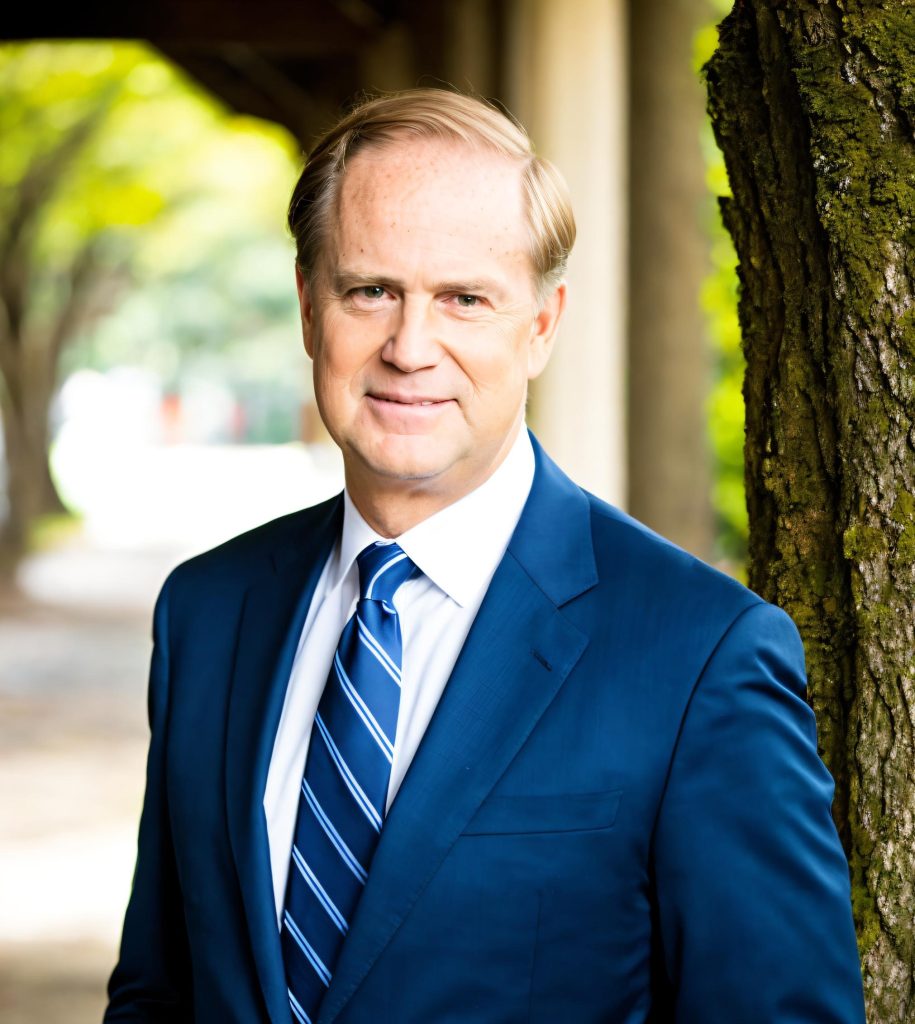
Join Anil J. Trindade, MD, Associate Medical Director for Lung Transplantation and the Medical Director for Laryngeal Transplantation at Vanderbilt University Medical Center for a comprehensive overview of Bronchiolitis Obliterans Syndrome. We will cover the pathophysiology of BOS/CLAD. We will also review current diagnostic techniques and early detection strategies as well as managing BOS as part of long-term post-transplant care.
Sponsored by: Zambon

This session will provide an overview of the clinical trial process, including how trials are designed, the importance of patient participation, and how to access trials. Attendees will learn how clinical trials contribute to medical innovation and patient care, while also gaining insights into their role in accelerating new therapies. The goal is to empower the BOS community with knowledge, helping them make informed decisions about trial involvement and potential benefits.
Sponsored by: Sanofi


The Lung Transplant Foundation Mentorship Program is named in honor of Joseph (Joe) J. Carter. Join Janice Sutton, Lung Transplant Foundation Mentorship Program Manager and Shari Carter, Wife of Joseph Carter for this session highlighting the Lung Transplant Foundation Mentorship Program, which provides vital peer-to-peer support for the lung transplant community and their caregivers. Attendees will gain insight into how the program connects individuals navigating the transplant process, offering emotional support, guidance, and shared experiences no matter what part of the transplant journey you are on. Current mentors and mentees will share personal stories and discuss the impact of these relationships on coping with the complexities of the disease. This Strength in Community session will emphasize the importance of community, mutual understanding, and empowerment through connection, offering valuable resources for anyone impacted by BOS or lung transplantation.

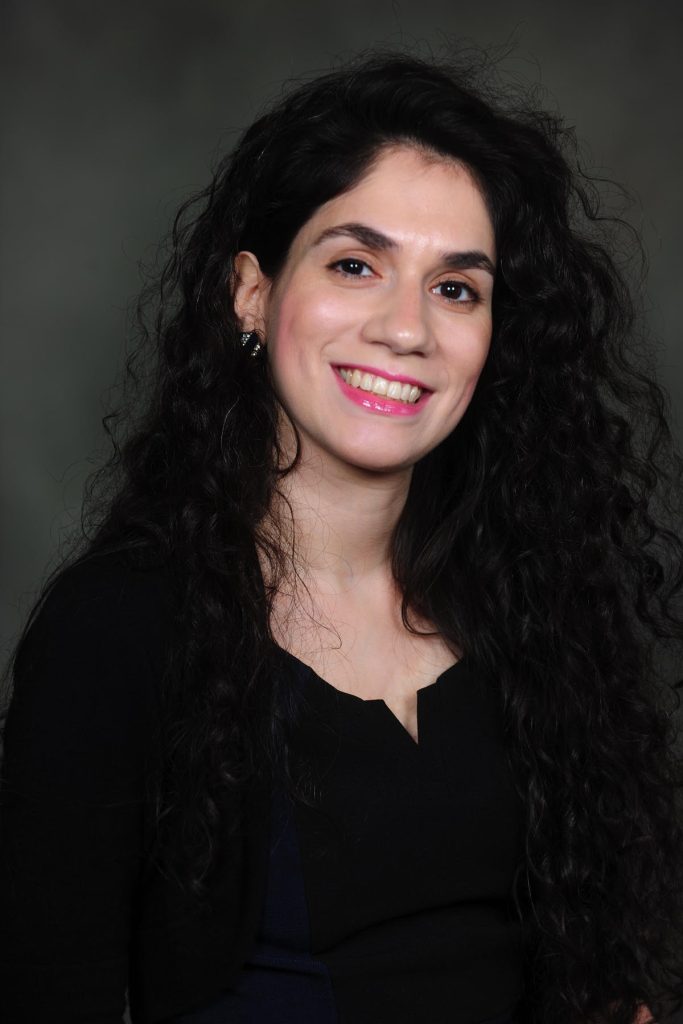
Join Nur Kazzaz, Pharm D, BCPS, MPH Clinical Pharmacy Specialist of Pulmonary Medicine at Temple University Hospital for Medication Mastery 2.0. Building on last year’s foundational session, Medication Mastery 2.0 dives deeper into advanced strategies for effective medication management post-lung transplant. This session will explore and discuss strategies to improve adherence and address common challenges patients face in their long-term medication journey. Designed for patients and caregivers, participants will gain insights into evolving pharmacological approaches, personalized medication regimens, and tips for minimizing side effects. Join us to refine your knowledge, stay updated on the latest in transplant pharmacology, and empower patients to take charge of their medication plan with confidence. There will be a chance to ask questions which is always the highlight of this session!

We invite you to listen in on an intimate roundtable discussion with lung transplant recipients Ta’Mar Ellensworth, David Ota, Taylor Stephenson, and Patricia Lawrenson as they discuss their personal experiences being diagnosed with BOS, educating themselves on their condition, adjusting to their new treatment regimen, and either stabilizing at a lower lung function, or opting to be relisted for a second (or third) lung transplant. Moderated by Transplant Talk host Carmel Aronson, between the five of us we represent seven different transplant centers, have received nine bilateral lung transplants, and collectively have over two decades of personal experience living with a BOS diagnosis.
Sponsored by:
The Family of Jeff Goldstein

Creating a world where all lung transplant patients live long, healthy lives.
1249 Kildaire Farm Road, Suite 323
Cary, NC 27511
Disclaimer: This website does not provide medical advice. The information, including but not limited to text, graphics, images, and other material contained on this website are for informational purposes only. No material on this site is intended to be a substitute for professional medical advice, diagnosis, or treatment. Always seek the advice of your physician or other qualified health care provider with any questions you may have regarding a medical condition or treatment before undertaking any new health care regimen. Never disregard any professional medical advice or delay in seeking care because of something you have read on this website.