
read more
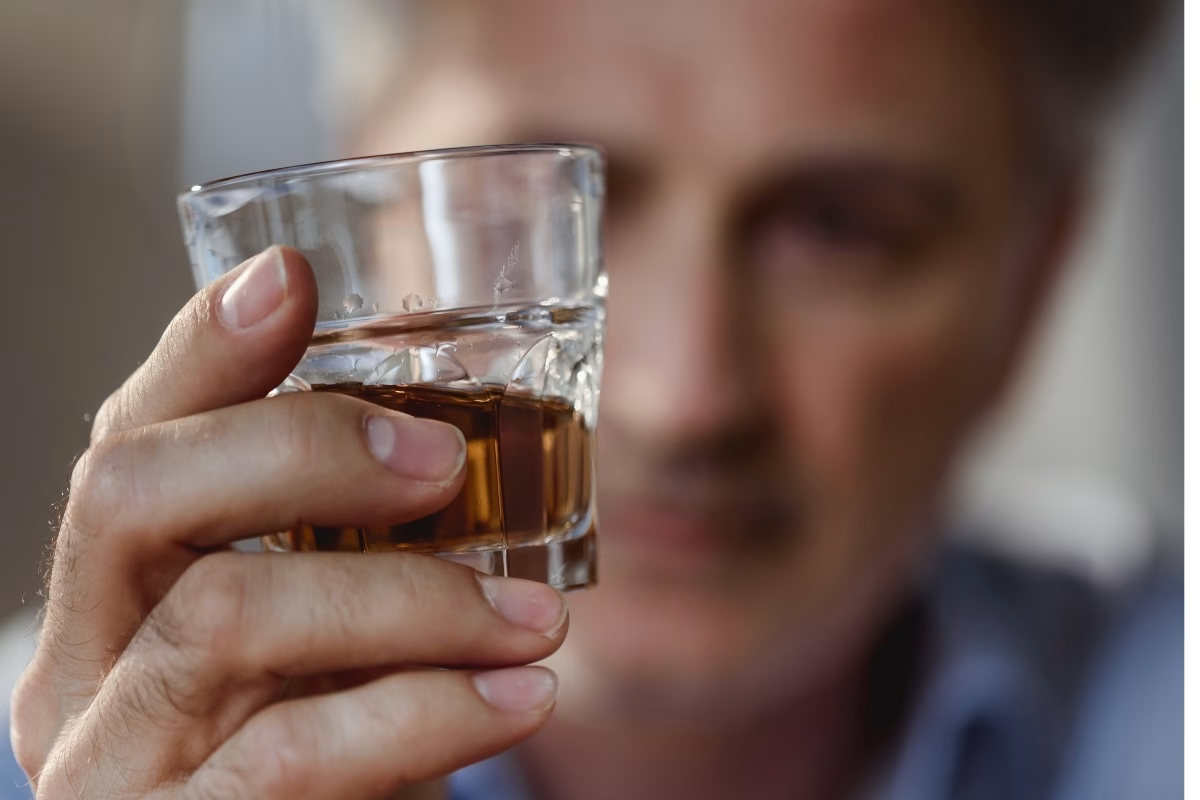
Substance Use and Lung Transplant: Facts, Honesty, and Healing
Alongside the extraordinary circumstances of living with a lung transplant, recipients experience many of the same joys and struggles as …
As you feel better, you can return to your previous activities, but remember to pay attention to your body, as recovery can be slow. No two lung transplant experiences are the same.
Your center will provide you with individualized guidelines for returning to normal activities. Typically, after surgery, you will be instructed not to lift more than five pounds for several weeks. You will probably be told to avoid strenuous physical work for six to eight weeks after surgery, and to not drive for at least six weeks. A family member or friend will need to transport you during this time. Follow your doctor’s guidelines regarding your level of activity and returning to work.
Exercise is very important to overall health and mental well-being. You can gradually increase your physical activities after your incision has healed. As a general rule, you should avoid rough contact sports because they might cause injury to your transplanted lung(s). If you have doubts about any activity, ask your doctor or transplant coordinator.
Call your doctor if you have a fever; have a cough that is different from other coughs you had before the transplant; are feeling overly tired or short of breath; are dizzy; or have any sores, blisters, new growths or lumps. Some of the medication you will be on increases your risk of cancer, so you should regularly check your neck, armpits, and groin. Women should check their breasts and have yearly mammograms. Also, go to the emergency room if you have a cut that is deep or bleeds heavily.
Alongside the extraordinary circumstances of living with a lung transplant, recipients experience many of the same joys and struggles as …

Receiving a lung transplant is a transformative, life-saving event. For individuals who faced late-stage lung disease, a successful transplant offers …

Lung transplant and substance abuse are rarely used in the same sentence. Yet, it is not uncommon for an individual’s …

Creating a world where all lung transplant patients live long, healthy lives.
1249 Kildaire Farm Road, Suite 323
Cary, NC 27511
Disclaimer: This website does not provide medical advice. The information, including but not limited to text, graphics, images, and other material contained on this website are for informational purposes only. No material on this site is intended to be a substitute for professional medical advice, diagnosis, or treatment. Always seek the advice of your physician or other qualified health care provider with any questions you may have regarding a medical condition or treatment before undertaking any new health care regimen. Never disregard any professional medical advice or delay in seeking care because of something you have read on this website.