

read more
Substance Use and Lung Transplant: Facts, Honesty, and Healing
Alongside the extraordinary circumstances of living with a lung transplant, recipients experience many of the same joys and struggles as …
For many in the lung transplant community, the most pressing question isn’t just about the surgery itself, but what life could look like decades later. In a recent “Transplant Talk” hosted by the Lung Transplant Foundation, four incredible individuals—Amanda, Kim, Carrie, and Patty—shared their journeys of living 20 to 30 years with their “gift of life.”
Their stories offer a powerful message: while transplant is often described as trading one complex medical situation for another it is also a journey filled with resilience, purpose, and joy.
One of the most moving pieces of advice came from Patty, who encouraged those just starting their journey not to get bogged down by survival percentages. Instead of focusing on 5-year data, she suggests taking it one day at a time. “Those days are just gonna keep on racking up,” she shared, noting that she would do it all again in a heartbeat because being able to breathe makes every challenge doable.
How do recipients thrive for three decades? The panelists highlighted several vital habits:
Transplant hasn’t just given these individuals more time; it has given them a lifetime of milestones they never expected to see.
The consensus from the panel was a resounding “yes.” While there are “bumps in the road,” the ability to watch nieces and nephews grow up, find love, and simply take a clear breath makes the journey invaluable. As Amanda noted, “Survival is not just about the medicine or surgery. It’s about resilience, gratitude, and choosing to keep going.”
Watch the full recorded session of this Transplant Talk below to hear more about these incredible survival journeys.
Are you looking for more resources on navigating life after a lung transplant?
Alongside the extraordinary circumstances of living with a lung transplant, recipients experience many of the same joys and struggles as …
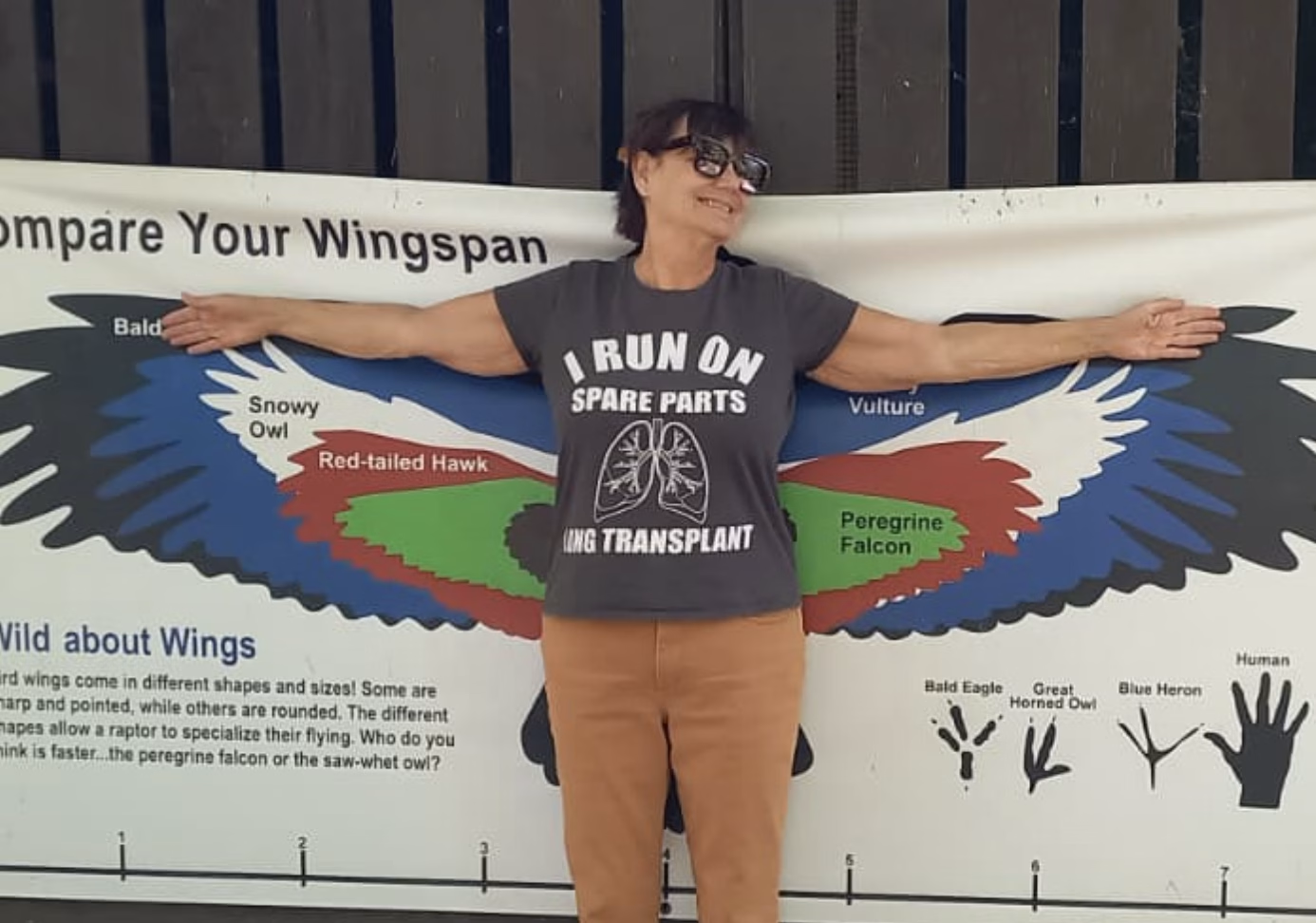
The Lung Transplant Foundation Mentorship Program would like to recognize Tammy Robinson, one of our longest-serving Mentors. Tammy received a …

Receiving a lung transplant is a transformative, life-saving event. For individuals who faced late-stage lung disease, a successful transplant offers …

Creating a world where all lung transplant patients live long, healthy lives.
1249 Kildaire Farm Road, Suite 323
Cary, NC 27511
Disclaimer: This website does not provide medical advice. The information, including but not limited to text, graphics, images, and other material contained on this website are for informational purposes only. No material on this site is intended to be a substitute for professional medical advice, diagnosis, or treatment. Always seek the advice of your physician or other qualified health care provider with any questions you may have regarding a medical condition or treatment before undertaking any new health care regimen. Never disregard any professional medical advice or delay in seeking care because of something you have read on this website.