

read more
Substance Use and Lung Transplant: Facts, Honesty, and Healing
Alongside the extraordinary circumstances of living with a lung transplant, recipients experience many of the same joys and struggles as …
Every organ transplant begins with a selfless decision and a complex, often misunderstood medical journey. In our latest Transplant Talk, we went behind the scenes with professionals and donor families to demystify the organ procurement process and celebrate the lives saved by the “gift of life.”
Silla Summerlin, an experienced acute care nurse practitioner in organ procurement, highlighted that the process is often very different from what is portrayed on television. One of the most important takeaways is that the medical teams fighting to save a patient’s life are entirely separate from the Organ Procurement Organization (OPO). Hospitals are legally required to notify an OPO only when specific clinical triggers are met, ensuring that every effort is made to save the patient first.
Key facts about the donation process:
We were honored to hear from Laura Givens, who shared the story of her daughter, Rachel. At just 23 years old, Rachel became an organ donor, a decision that gave sight to two people and saved the lives of five others. Her legacy serves as a powerful reminder of the profound impact one person can have on multiple families.
Currently, over 100,000 people are on the national waiting list, with approximately 900 to 1,000 specifically waiting for lung transplants. Silla emphasized that while registering is crucial, talking to your family about your decision is just as important. Knowing your wishes in advance relieves a significant burden from loved ones during an incredibly difficult time.
Ready to watch the full session?
See the complete recording of this month’s Transplant Talk, including our first-ever community storytelling project video, at the link below.
You can save lives by registering as an organ donor today at RegisterMe.org or through your local DMV.
Are you looking for more resources on navigating life after a lung transplant?
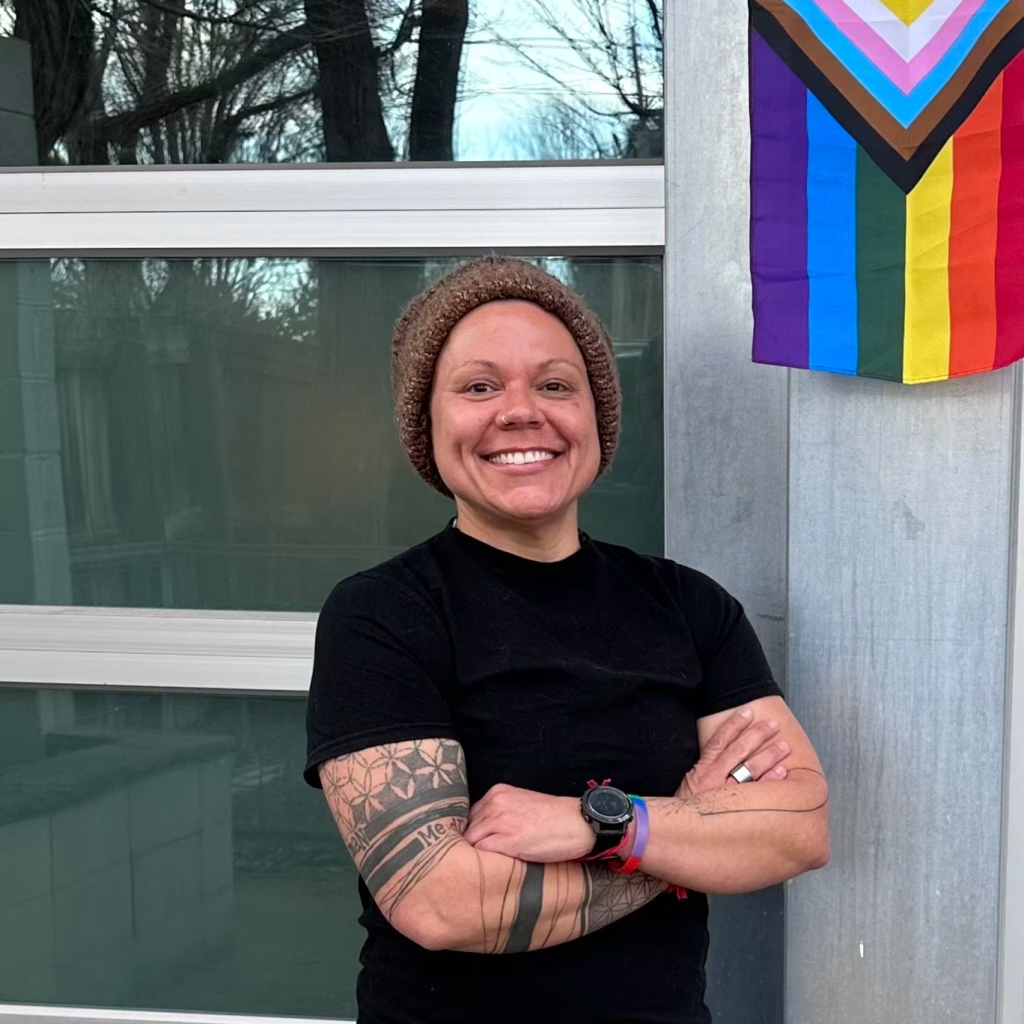
Silla Sumerlin, ACNP, CPTC, MSN, RN is a trained Trauma Acute Care Nurse Practitioner with over twenty-two years of experience. After five years in trauma, Silla transitioned into organ procurement and has spent the last fifteen years working in various roles within the field.
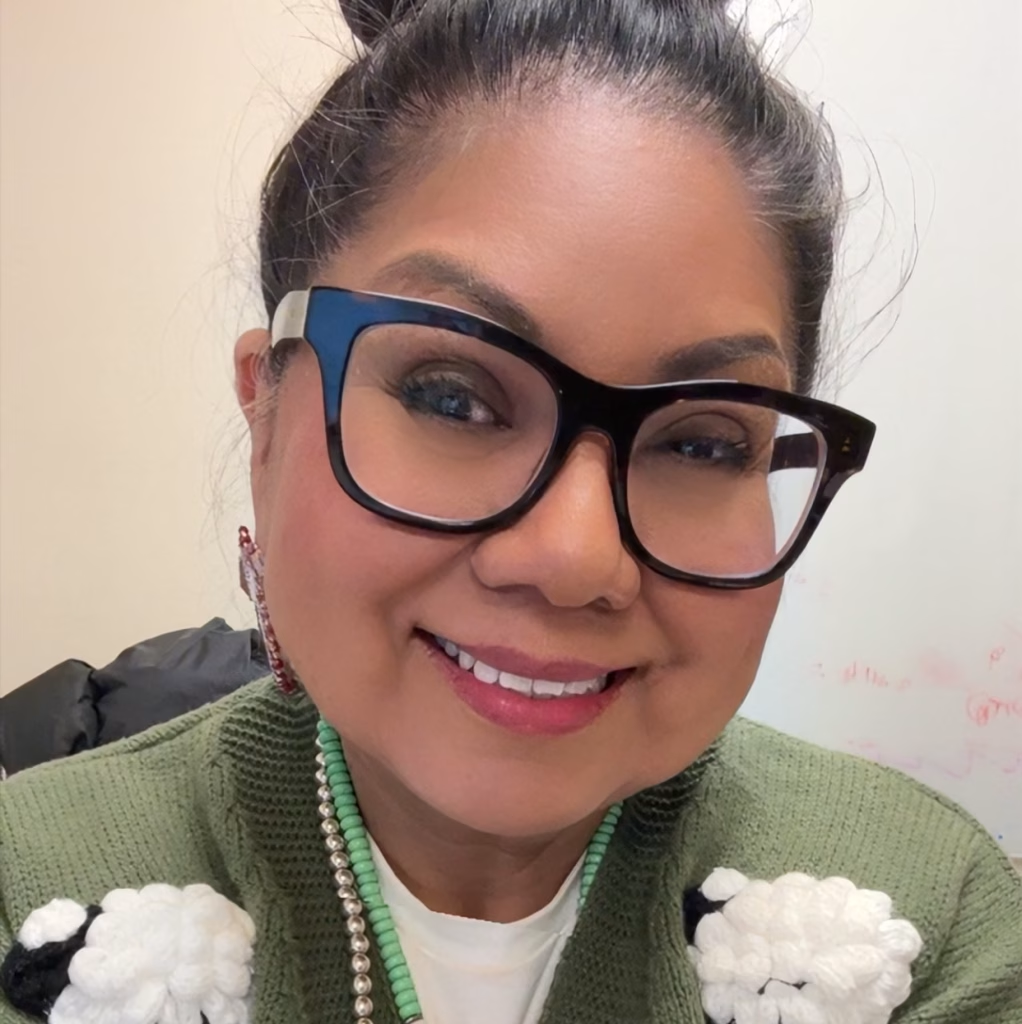
Laura Givens is an enrolled member of the Navajo Nation from New Mexico, and currently resides in Tacoma, WA. Her daughter is Rachel Givens, and on October 7 2013 at the age of twenty-three years of age, Rachel became an organ donor. Rachel gave sight to two people and saved five people’s lives.
Alongside the extraordinary circumstances of living with a lung transplant, recipients experience many of the same joys and struggles as …

What Patients and Families Need to Know A lung transplant is a life-saving procedure for individuals living with late-stage lung …

Navigating medical equipment coverage can feel overwhelming, especially when managing a complex respiratory condition like pulmonary fibrosis. Knowing your rights …

Creating a world where all lung transplant patients live long, healthy lives.
1249 Kildaire Farm Road, Suite 323
Cary, NC 27511
Disclaimer: This website does not provide medical advice. The information, including but not limited to text, graphics, images, and other material contained on this website are for informational purposes only. No material on this site is intended to be a substitute for professional medical advice, diagnosis, or treatment. Always seek the advice of your physician or other qualified health care provider with any questions you may have regarding a medical condition or treatment before undertaking any new health care regimen. Never disregard any professional medical advice or delay in seeking care because of something you have read on this website.